
Sacred
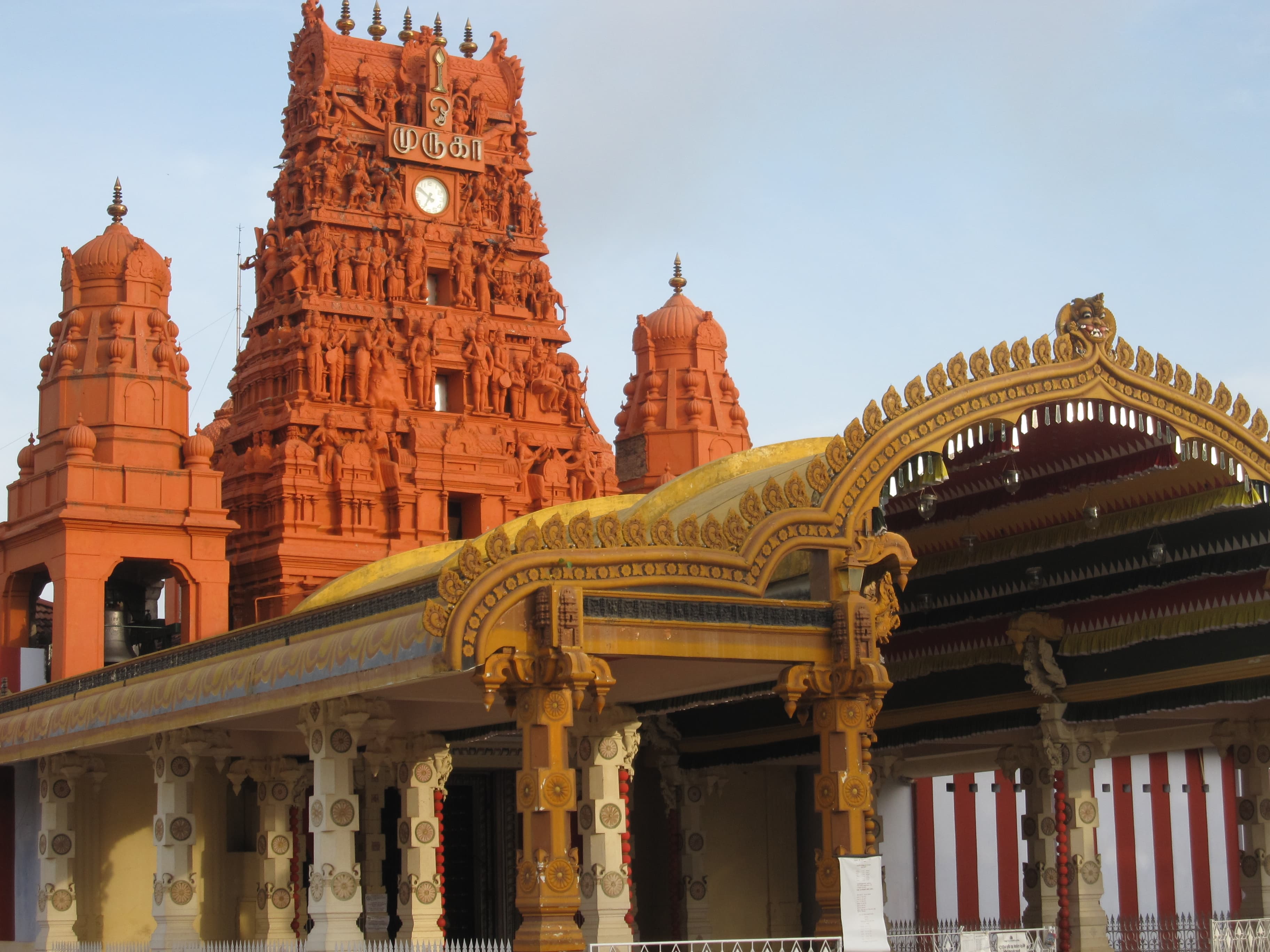
Nallur Kandaswamy Temple
The heartbeat of Jaffna's Hindu calendar — daily pooja at five, festival in August.
City — Northern Sri Lanka
Cultural and administrative heart of the north — temples, colonnaded streets, and a lagoon that turns amber at dusk.
Jaffna sits at the northern tip of Sri Lanka, the cultural and administrative heart of the Northern Province and the city most travellers arrive into first. Its rhythms are Tamil and Saivite Hindu in their daily texture, with Catholic, Protestant and Muslim communities long woven into the same streets.
The geography is unusual: a flat peninsula tethered to the mainland by a narrow land bridge at Elephant Pass, with the lagoon to the south, the Palk Strait to the north, and a chain of inhabited islands to the west. The city itself is compact — colonnaded shopfronts, walled gardens, the gold-tiled gopuram of Nallur visible from several streets away.
The food is its own tradition. Crab curry, palmyra products, the famed Jaffna mango, palmyra toddy from village kallu shops — none of this is the cuisine of the south. It rewards the slow traveller. Hire a bicycle, walk into the market before nine, take the lagoon road at sunset.
Getting here is now straightforward. The Yal Devi and Uttara Devi run from Colombo on the restored Northern Line. The A9 carries the road traffic. Jaffna International Airport — formerly the Palaly airfield — has reopened to limited regional service after its post-war upgrade.
What to know
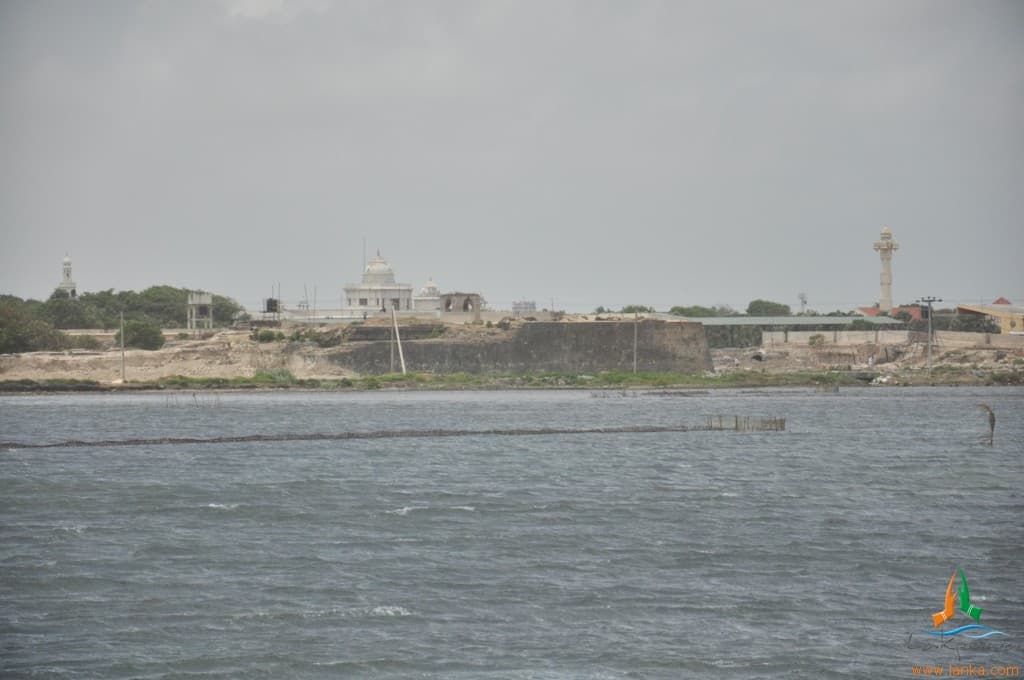
The Jaffna peninsula is flat, semi-arid, and ringed by water. The Jaffna Lagoon — roughly 400 square kilometres of shallow water, mudflats, and seagrass — opens to Palk Bay through narrow channels and is the city's southern horizon. Five inhabited islands sit to the west, reachable by causeway and ferry.
Tamil is the working language; English is widely understood in the city. Hindu Saivite practice frames much of public life, with the Nallur Kandaswamy Kovil at its centre. The Public Library — destroyed in 1981 and rebuilt — sits at the symbolic heart of the city's cultural memory; the Archaeological Museum in Nallur holds the artefacts of the older Tamil kingdoms.
Jaffna cuisine is its own world. Crab curry, dry-fried mutton, palmyra-jaggery sweets, the translucent nungu fruit, dried fish, and a regional curry powder built around chilli and roasted spice. The fish market off Hospital Road and the Municipal Market are the two best hours of any day spent in town.
Places nearby
Sacred
The heartbeat of Jaffna's Hindu calendar — daily pooja at five, festival in August.
Heritage
Portuguese walls, Dutch engineering, and the best view of the Jaffna Lagoon at sunset.

Food
Before nine in the morning, the Jaffna market is the most instructive hour you can spend in the North.
Experiences
Cultural
A half-day private guided visit covering the three most significant Hindu sacred sites in the Jaffna area: Nallur Kandaswamy Temple in town, the water temple at Nagadeepa on Nainativu island (reached by a short boat crossing from Kurikadduwan), and the ancient stupa and Buddhist ruins at Kandarodai.
Browse experiencesCulinary
A small-group morning walk through the Jaffna Municipal Market and the surrounding short-eats shops, led by a local cook who has spent years preparing Tamil Jaffna food. The walk is not a tour of restaurants; it is a walk through the raw ingredients and the daily food culture of a community that has one of the most distinct regional cuisines in Sri Lanka.
Browse experiencesCulinary
A multi-course Tamil Jaffna feast prepared in the villa kitchen by a local cook who specialises in the traditional cooking of the Northern Province. The cook consults with you in advance, adapts to dietary requirements, and sources ingredients from the Jaffna market on the morning of the dinner.
Browse experiencesSuggested journeys
Slow travel — 5 nights
Five unhurried nights at the villa, paced for the rhythm of the Jaffna peninsula.
Pilgrimage — 4 nights
A four-night circuit of the peninsula's living temples, Hindu and Buddhist alike.
Begin a conversation
Tell us when you’d like to come and what kind of days you have in mind. We’ll send back a quiet, considered plan.