
Delft
Delft Baobab Tree
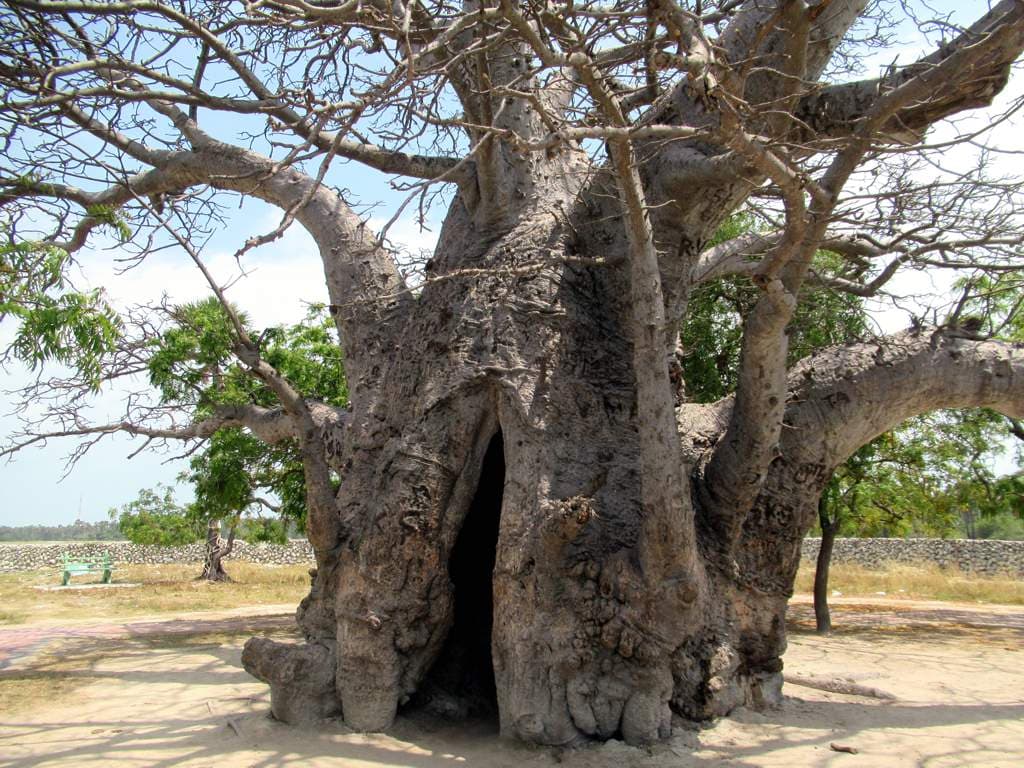
An African baobab, several centuries old, standing alone in the palmyra scrub at the centre of Neduntheevu — one of only a handful in Sri Lanka.
November to March; mid-morning, after the ferry arrives
Best time to visit
Open landscape; visit timed by the ferry from Kurikadduwan
Opening hours
Free
Entrance fee
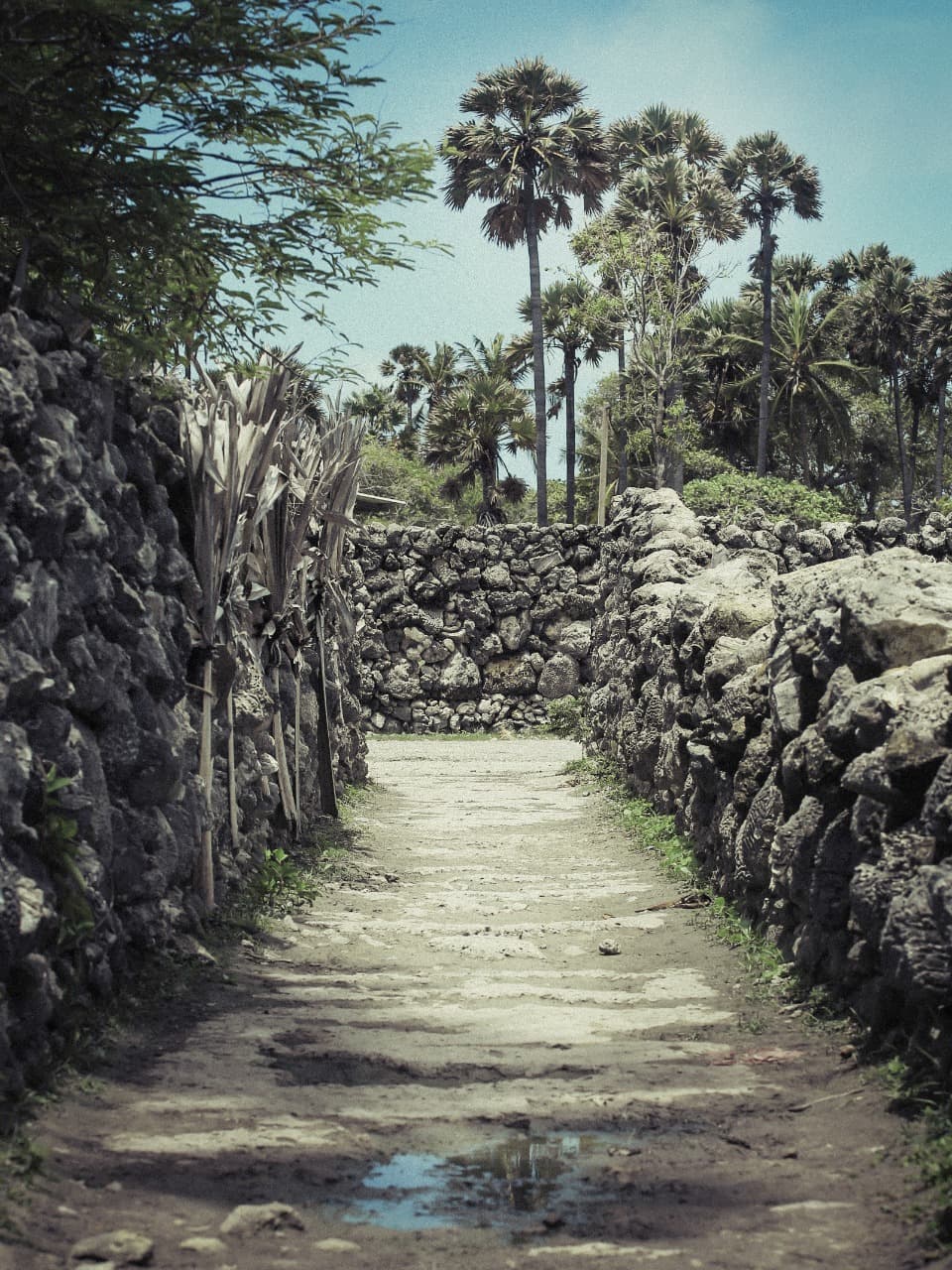
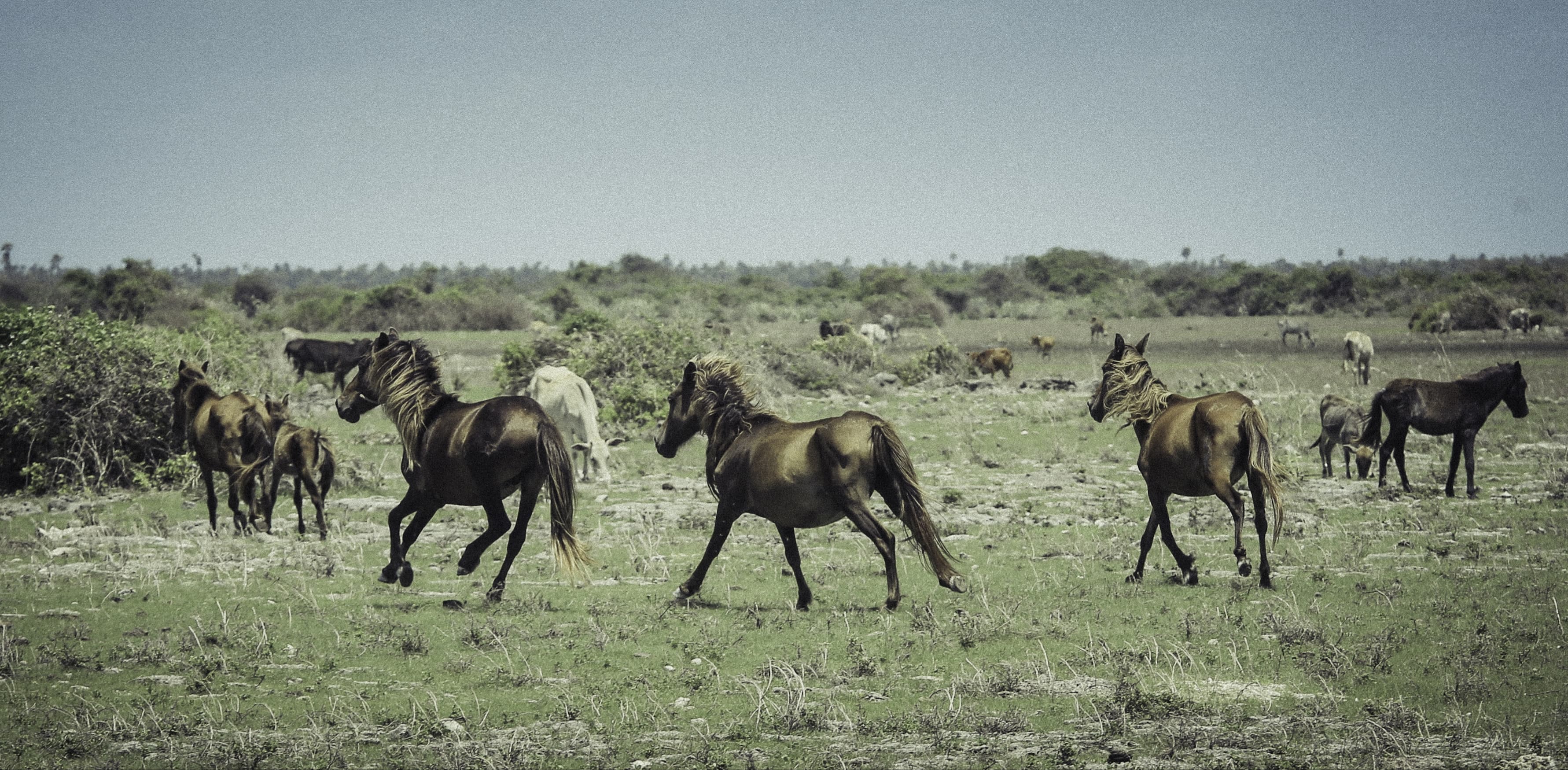
The baobab on Delft is one of the more unexpected sights in the North. African in origin, barrel-trunked and enormous, it stands by itself in a dry clearing near the centre of the island, ringed by a low wall and a gravel path. The trunk takes several adults to span. The rest of the landscape — flat palmyra plain, scrub, occasional grazing horses — only makes the tree more singular.
How it got here is contested. The most common attribution is to Arab traders who used the Mannar–Jaffna coast as a staging post on the monsoon trade routes from East Africa more than a thousand years ago, and who are credited with the larger baobab population on Mannar Island further south. A second tradition attributes this particular tree to the Portuguese garrison at the fort, who would have arrived from East Africa via Goa in the 16th and 17th centuries. The sources differ; the tree itself does not say. What is reasonably clear is that it is several hundred years old and that it is one of only a handful of mature baobabs anywhere in Sri Lanka outside the Mannar concentration.
The tree is one of the standard stops on the converted-tractor circuit that begins at the ferry jetty. The driver will pause for ten or fifteen minutes — long enough to walk around the trunk, take a photograph against the scale of it, and read the small interpretive sign that the Department of Archaeology has installed at the wall.
The walk from the jetty is too long in the heat to do on foot; almost everyone arrives by the tractor or by hired 4WD. Pair the baobab with the Delft Portuguese Fort Ruins, the Queen's Tower, and the wild horses for the standard half-day on the island.
Bring water. There is none for sale at the tree, and very little anywhere else on Delft.
What to know
Visiting quietly
- Best season
- November to March; the dry months keep the tractor tracks passable
- Etiquette
- Do not climb the baobab. The trunk is soft-fibred and bruises easily. Stay on the path; the surrounding scrub is grazed by the wild horses.
- Getting there
- 1.5 hours from Jaffna to the jetty, 50 minutes by ferry, then 25 minutes on the island tractor
A closer look
Location
On the map
Practical things
Frequently asked
Why is there a baobab tree on Delft?
How old is the Delft baobab?
Are there other baobab trees in Sri Lanka?
Planning a visit to Delft Baobab Tree?
Begin a quiet conversation
Enquire about an Abiholiday villa nearby and Abi will help you plan your trip to the North.
We reply within 24 hours, usually within a few hours.Your enquiry comes straight to Abi's inbox.