
Delft
Queen's Tower, Delft
A square British-period coral-stone tower at the centre of Neduntheevu — built as a navigation aid for the Palk Strait shipping route.
November to March; mid-morning on the standard tractor circuit
Best time to visit
Open landscape; visit timed by the ferry from Kurikadduwan
Opening hours
Free
Entrance fee
Queen's Tower stands by itself on a low rise near the centre of Delft, a few kilometres inland from the ferry jetty. It is a square, three-storey coral-stone structure with narrow windows on each face and a flat upper deck — built by the British in the 19th century as a navigation aid for shipping moving through the Palk Strait between Ceylon and the Madras coast. From the top, on a clear day, you can see most of the island and a long stretch of open sea in both directions.
The construction is the same coral rubble used everywhere else on Delft. The lime mortar is more refined than the dry-stone walls in the surrounding fields, and the corners are still squared cleanly. Some stretches of plaster survive. The tower is open to the elements — there are no doors, no caretaker, no lighting on the internal stair — but the staircase inside is in good enough condition for a careful climb to the upper level.
The name is a slight exaggeration. There is no record of Queen Victoria having anything to do with the building; the name was attached locally during the colonial period and has stuck. Whatever its origin, the tower is one of the more architecturally complete colonial structures on the island, in better preserved condition than the older Portuguese fort by the jetty.
The standard tractor circuit from the jetty stops here for fifteen or twenty minutes. Allow time for the climb if the inside is open; the view is the reason most visitors come. The roof deck is exposed and the wind is strong, so hold on to anything loose.
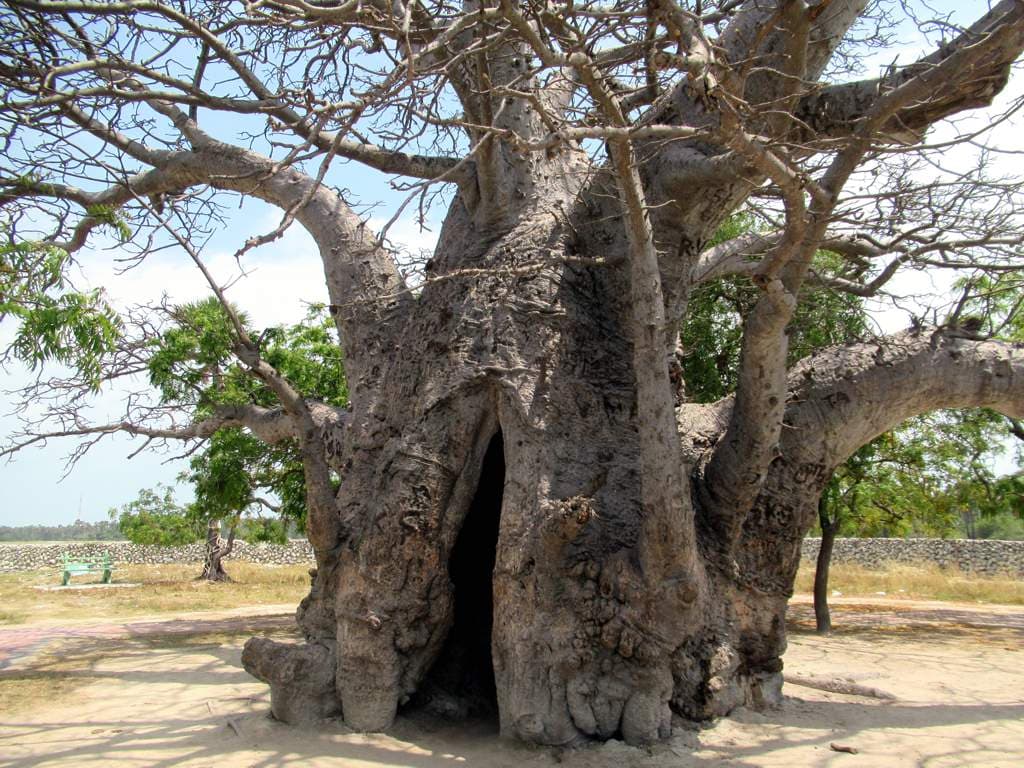
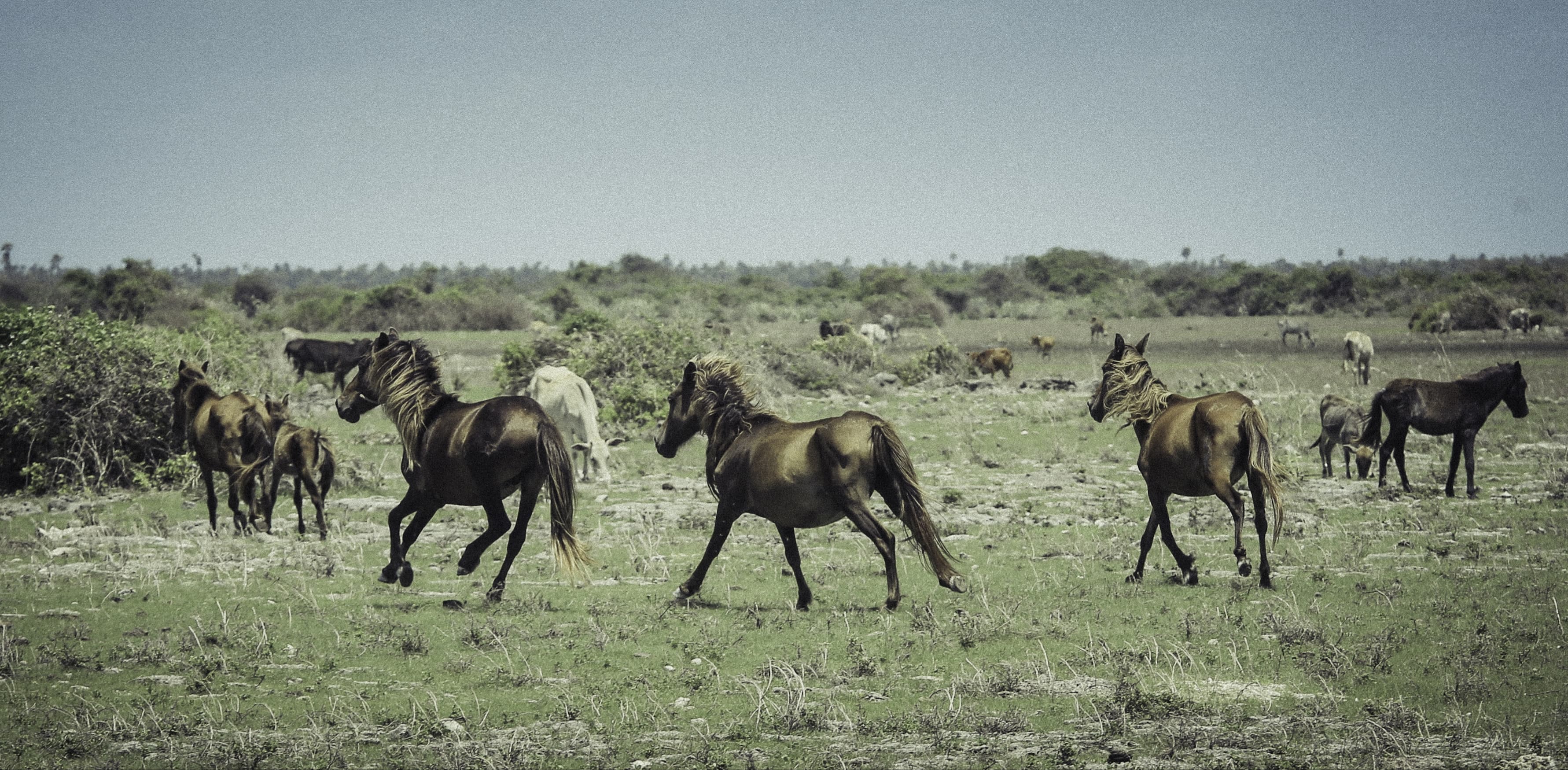
Pair the tower with the Portuguese fort, the baobab, and the wild horses for the full European-period circuit on the island.
What to know
Visiting quietly
- Best season
- November to March, dry and clear for the climb
- Etiquette
- Climb the internal stair carefully — there is no handrail and the stone treads are uneven. Do not carve into the walls. Hold on to hats and cameras on the exposed roof.
- Getting there
- 1.5 hours from Jaffna to the jetty, 50 minutes by ferry, then 20 minutes on the island circuit
A closer look
Location
On the map
Practical things
Frequently asked
Who built Queen's Tower on Delft?
Can you climb Queen's Tower?
What can you see from the top?
Planning a visit to Queen's Tower, Delft?
Begin a quiet conversation
Enquire about an Abiholiday villa nearby and Abi will help you plan your trip to the North.
We reply within 24 hours, usually within a few hours.Your enquiry comes straight to Abi's inbox.